

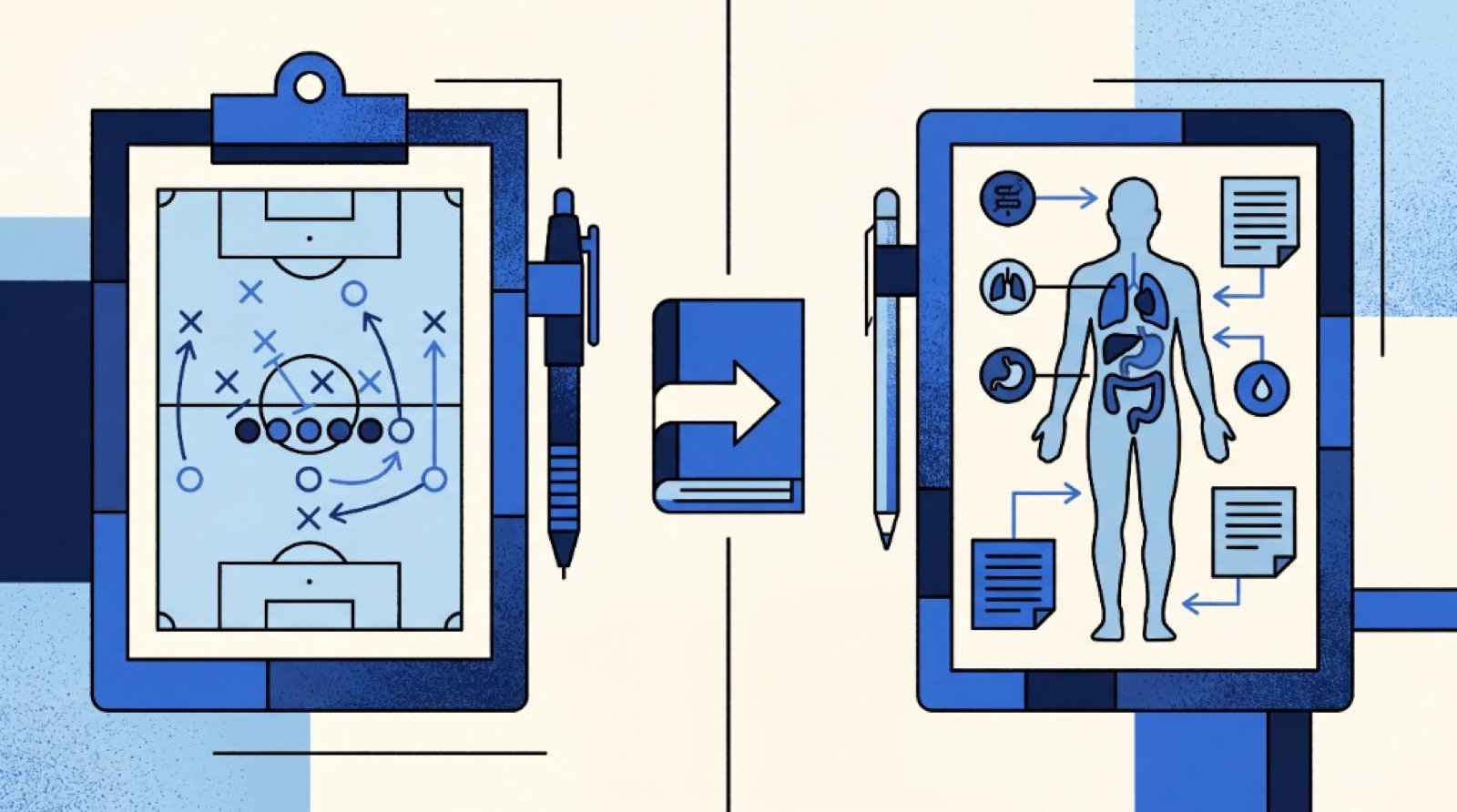
Starting January 1, 2026, CMS is calling a bold new play: the Transforming Episode Accountability Model (TEAM). And if you’re a healthcare executive, you can think of yourself as the head coach of a high-stakes, high-visibility team headed into a new season — one where the rules just changed, and the scoreboard now tracks both cost and quality.
The Transforming Episode Accountability Model (TEAM) is a new, mandatory value-based care initiative from CMS launching in 2026. It focuses on bundled payments for five common surgical episodes — lower extremity joint replacement, spinal fusion, coronary artery bypass graft, major bowel procedures, and hip/femur fractures. TEAM aims to improve care coordination, reduce unnecessary costs, and elevate quality by holding hospitals financially accountable for outcomes over a 30- to 90-day care episode. Most hospitals will be required to participate, and by the second year, many will face downside financial risk tied to their performance.
This isn’t just another game — it’s a whole new league. Here’s your playbook.
Kickoff Is Mandatory — No Sideline Seats
Just like the NFL draft, you don’t get to opt out. CMS has already selected your team (741 hospitals across 188 regions), and whether you’re ready or not, you’re suiting up.
Coach’s Reality Check:
There’s no bye week to ramp up. Your pre-season has already started. Your organization is on the field January 1, 2026.
Key Play:
- Rally your team — assign captains (compliance leads) and huddle regularly.
- Treat this as a systemwide season — not a side initiative.
- Get prepared now, because in November 2025, CMS will publish the rules for 2026.
You’re Playing With Real Financial Risk — Early
The TEAM model introduces financial downside risk as early as Year 2 for most teams. Think of it as being judged not just on your win-loss record, but how well you managed the salary cap — and whether you blew your budget on injured players.
Coach’s Reality Check:
Track 1 is your pre-season — safe, low-risk. But by Year 2, it’s real game time with real penalties on the table. You may find that the game you thought you won last week is now a loss this week.
Key Play:
- Run scenarios with your finance team: what happens if your costs run 10% over target?
- Set financial guardrails like a good GM would.
Your Stats Matter — But Some Aren’t Under Your Control
You’re being scored on more than touchdowns (discharges). CMS will watch your readmission rate, safety record, and even how patients feel about their care. Problem is, some of those plays happen off your field — like in post-acute care.
Coach’s Reality Check:
You don’t control every play, but you’re still accountable for the scoreboard.
Key Play:
- Strengthen your free-agent network (post-acute and outpatient partners).
- Deploy care coordinators like defensive backs: prevent breakdowns after discharge.
Data = Your Playbook
Imagine trying to coach a game without seeing the scoreboard or player stats. That’s the risk without robust analytics under TEAM.
Coach’s Reality Check:
If you can’t track episode performance in real-time, you’ll be reacting from the locker room instead of the sidelines.
Key Play:
- Invest in an analytics command center — think of it like your replay booth.
- Use predictive data to call smarter plays in real time.
Team Conditioning Is Make-or-Break
You can’t win a season if your players are exhausted or not aligned. TEAM changes the playbook for clinicians, case managers, and operational staff — meaning you need buy-in across the locker room.
Coach’s Reality Check:
Change fatigue is real. If your staff doesn’t understand the model, performance will falter.
Key Play:
- Launch pre-season training camps (education initiatives).
- Empower clinical champions as position coaches — they drive culture on the field.
The Rules May Change Mid-Season
Like any professional league, CMS might adjust scoring, penalties, or eligibility mid-game. You need a team that can pivot quickly.
Coach’s Reality Check:
What works in Year 1 may not work in Year 3. Agility is the name of the game.
Key Play:
- Establish a policy watch team (think scouts) to track CMS updates.
- Hold quarterly “film reviews” with leadership to assess and adjust.
Final Whistle: Win the Long Game
The TEAM model isn’t just a new contract — it’s a new league with new rules. But for strong systems with bold leadership, it’s also a championship opportunity.
You’re not just managing care — you’re calling plays, building culture, managing risk, and shaping outcomes. Get your team aligned, study the playbook, and be ready to execute under pressure.
Because in this game, the winners will be the ones who prepare like champions from Day One.
Want help building your TEAM game plan? Let’s suit up.